©Thom95
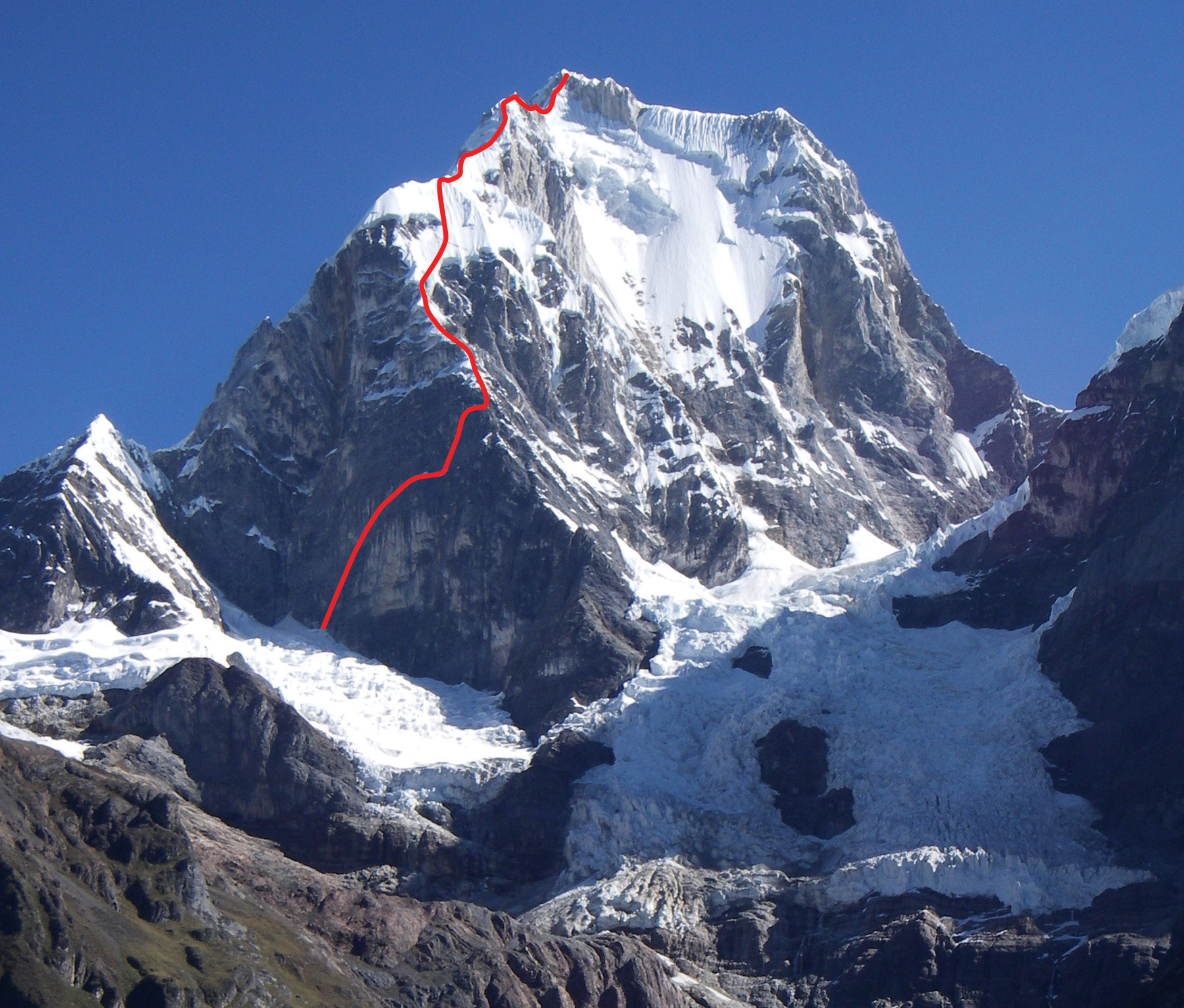
The first complete ascent of the east spur and east ridge via The Essence of Commitment (1,400m, 6c+ M6+ 95°) to the main summit of Yerupajá, Cordillera Huayhuash, followed by a traverse to Yerupajá Sur and descent of the southeast face (1,000m at an average angle of 65°). August 4-8 for the full traverse.
Yerupajá is the second-highest independent peak in Peru and the highest of the Cordillera Huayhuash. Although first climbed in 1950, due to the difficulty of any route the summit has seen few successful ascents; before 2025 the last known ascent was possibly as far back as 2014.
Spanish Catalans Bru Busom, Rubén Sanmartín, and Marc Toralles planned an ascent of the east spur and east ridge, followed by a ca 600m traverse south along the narrow, corniced ridge to Yerupajá Sur and descent of its southeast face.
The three first acclimatized in the Cordillera Blanca and then once at their 4,900m base camp below Yerupajá, reconnoitred the descent route on the southeast face by climbing up to 5,400m on the extremely crevassed glacier below, using a drone to show the safest line.
The upper part of the east spur, reached via glacier slopes to the northeast, was climbed in 1968 by Austrians, who continued up the east ridge to the summit. The 600m rock wall at the base of the spur had been climbed a few times by lines toward the right side but not continued up the ridge above. The Spanish alpinists started near the left side of the face and climbed a rightward slanting line, which involved a couple of pitches of 6c+ and then four of WI5 M6+. More pure rock to 6c+ took them to the east ridge and their first bivouac. From there, it would take the best part of three days to reach the summit, overcoming largely ungradable terrain – hanging glaciers, mushrooms, snow and ice overhangs - all with little in the way of meaningful protection. On reaching the east ridge, they knew that their eight snow stakes would not be nearly enough to rappel the ground already ascended. Their only "retreat" was over the summit.
On their fifth day, the climbers navigated the ca 600m-long mushroomed connecting ridge and reached Yerupajá Sur (6,480m) by midday. From there, they were able make numerous rappels of the southeast face via Abalakov and snowstake anchors, gain the glacier they had previously reconnoitred, and reach base camp that same day. They had made the first full traverse of the mountain from the east.
The jury was impressed that this team continues to pioneer audacious lines in the Southern Hemisphere, showing that top-quality adventures are still achievable outside the Himalaya. The traverse, which featured a high level of commitment, with no realistic possibility of retreat once on the upper ridge and a slim chance of external rescue should something go wrong, was completed in excellent style, with thorough preparation undoubtedly contributing significantly to their success.

Bru Busom
Spain
Born in 1992 in Terrassa, at the foot of the Montserrat massif, the Catalan Bru Busom went on his first hikes with his parents in the Sant Llorenç del Munt massif. At the age of 13, his father introduced him to rock climbing and from that moment on, he knew exactly where he wanted to focus his energy. A UIAGM-certified mountain guide, he is now one of the most experienced and renowned mountaineers, both in Catalonia and throughout the rest of Spain. He lives with his partner and their two children in Terrassa, near the Sant Llorenç del Munt Natural Park, an ideal setting for family hikes and for training on the many sport climbing routes found there.
He has completed difficult ascents on most of the rock faces and ice falls in the Pyrenees and the Alps. Particularly noteworthy are his major ascents, whether completed in a single day or in winter, such as the south face of the Marmolada, the south face of the Meije, the north face of the Grandes Jorasses, the north face of Les Droites, the north face of the Eiger, and the ‘Super Intégrale’ of Peuterey on Mont Blanc.
Bru has led expeditions to mountain ranges all over the world, notably in South America, always in search of highly challenging routes that have rarely been repeated and climbed in alpine style, such as Cerro Torre via the Ragni route, Fitz Roy, the Agujas Mermoz and Guillaumet, Jirishanca (6,126 m), Alpamayo solo (5,947 m), Ranrapalca (6,162 m), Tocllaraju (6,032 m) and Chopicalqui (6,354 m).
Before Yerupaja, he had often shared a rope with Marc Toralles, notably for a repeat of the famous Slovak Direct on the south face of Denali in Alaska in 2019 and the first ascent of Ànima de corall (1,100 m, 7b A3 AI 5 M6) on the east face of Siula Grande (6,344 m, Huayhuash Range in Peru) in July 2022.
Passionate about challenging alpinism, involving long ascents on major rock faces, he believes “that challenges must be tackled with humility, without artifice, and in a pure and light style.”
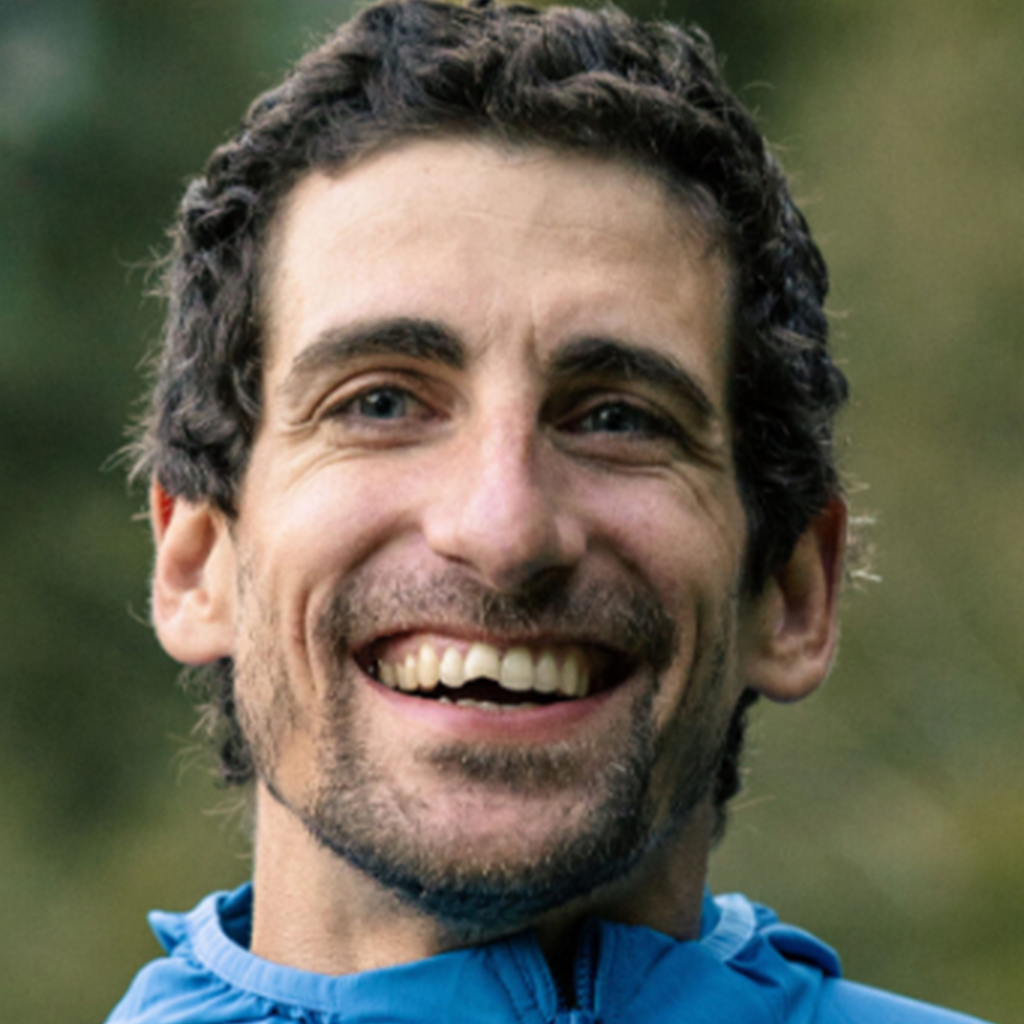
Rubén Sanmartin
Spain
Based in Binéfar and originally from Huesca, Rubén is also a high-mountain guide (IFMGA). As a child, he went hiking in the mountains with his parents, but it was when he took up rock climbing at the age of 21 that he realised what he really enjoyed was applying the challenges of rock climbing to high-altitude mountaineering and big walls: “From that moment on, my priorities in life began to change, as did the people with whom I shared this world and these adventures.” He was a member of the Aragon Mountaineering Training Centre for six years and a member of the Spanish mountaineering team for four years.
As much a sport climber as a mountaineer, his natural playground is, of course, the Pyrenees and the Pre-Pyrenees: the first repeat of the ‘Three Walls of Gavarnie’ in a single day, starting with Thanatos (WI6) and finishing with Aliento del Diablo (M7, 6b WI5+). First free ascent of Ilusiones (7b+ RS4) on the Vignemale.
In the Alps, highlights include the second free repeat of No Siesta (M7) on the north face of the Grandes Jorasses, followed by a paragliding descent, and the Lesueur route (M8+) on the north face of the Drus, as well as the ‘Super intégrale’ of Peuterey on Mont Blanc in three days. He also opened six routes in Greenland whilst guiding the Spanish women’s mountaineering team.
He sees paragliding as a logical evolution of extreme alpinism: “In the future, alpinism will be closely linked to rapid descents, enabling climbers to avoid risks and save time.”
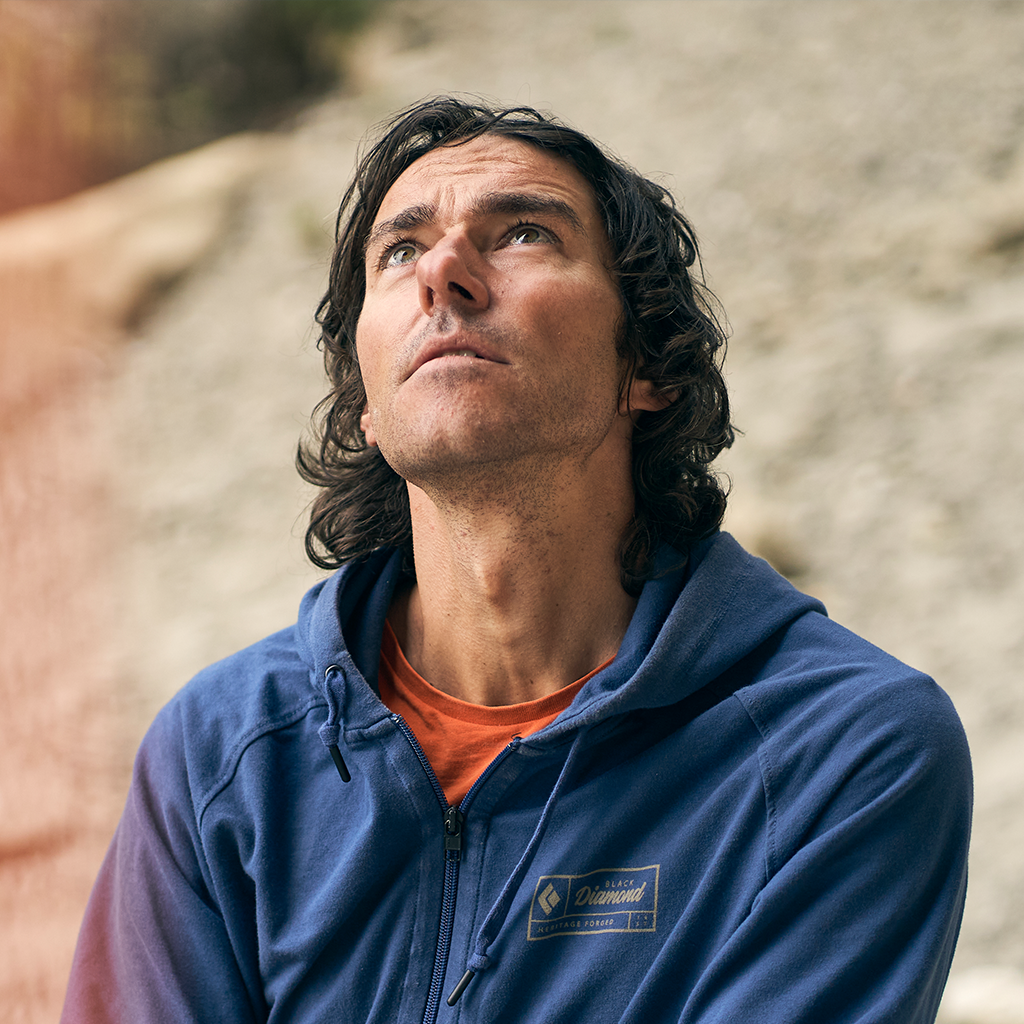
Marc Toralles
Spain
Marc Toralles, a Catalan, was born in Barcelona in 1982. Now a UIAGM-qualified guide, his notable ascents in the Alps include the north faces of the Grandes Jorasses, Les Droites and the Eiger; the first winter traverse Flammes de Pierre to the Aiguille Verte; and the first ascent of Le Grand Charme on the west face of the Grands Charmoz (650m, ED M6+ 6b) with Bru Busom and Martin Elias in January 2020.
Marc is always on the lookout for highly challenging routes, rarely repeated and climbed in alpine style. In Patagonia, notable ascents include Cerro Torre via the Ragni route, Cerro Mocho, the Media Luna, the Aguja Guillaumet and Cerro Colorado (Aysén, Chile). In Peru: Alpamayo (5,947 m), the Sphinx, Huantsan (6,369 m), Jirishanca (6,126 m) and an attempt to open a route on the east face of Siula Grande (6,344 m). In 2018, he attempted to climb the south spur of Gasherbrum IV then in 2019, he completed the first alpine-style repeat of the south pillar of Tengi Ragi Tau (6,660 m), Nepal, with Roger Cararach and Alberto Fernández.
He did the first ascent of Punta Guillem Aparicio, 5,700m (India, Ladakh) via Txoria Txori (740m, 7a+) in alpine style in 2022 then in 2023 he attempted a new route on Saraghrar (and climbed later the Catalans Spur on this mountain). In 2024, he attempted to open a new route on K7.
The 2022 ascent of Siula Chico with Bru Busom, amidst relentless rockfalls, had made a particular impression on him: “This is the first time I haven’t felt like returning to a route I’ve climbed… It’s the most demanding ascent we’ve undertaken so far, due to the difficulties and the constant exposure.”